Places
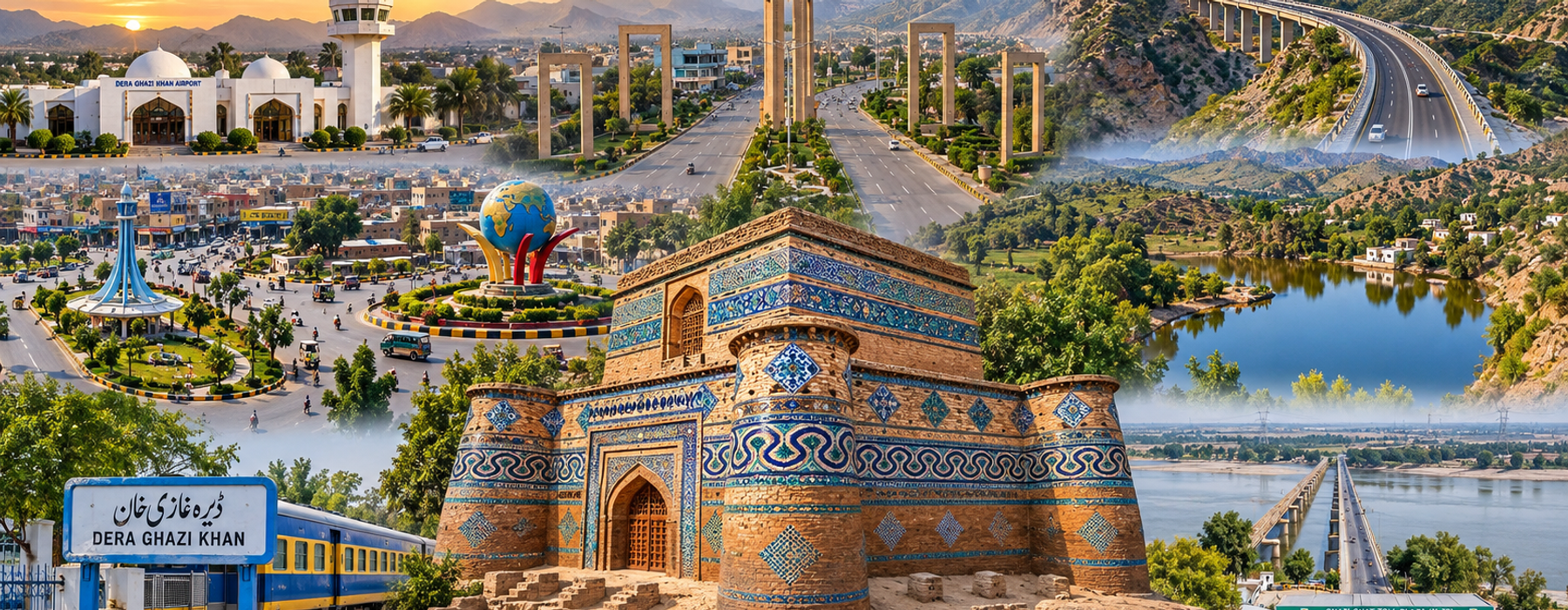
Dera Ghazi Khan
About this place
Dera Ghazi Khan is one of the historic and culturally distinctive regions of southern Punjab, Pakistan. Located between the Indus River to the east and the Koh-e-Suleman mountain range to the west, the district occupies a remarkable geographical position where the river plains of Punjab meet the mountains and tribal belt of the Sulaiman range.
The region is closely associated with the Saraiki-speaking cultural landscape of southern Punjab while also carrying a strong Baloch tribal heritage. Its history, language, traditional social structures, Sufi traditions, agriculture, crafts and mountain communities have contributed to the distinctive identity of Dera Ghazi Khan.
━━━━━━━━━━━━━━━━━━
GEOGRAPHY & LOCATION
━━━━━━━━━━━━━━━━━━
Dera Ghazi Khan lies on the western side of the Indus River. The river forms an important geographical feature along the eastern side of the district, while the Koh-e-Suleman range rises toward the west and forms the natural boundary with Balochistan.
The district is bordered by Dera Ismail Khan to the north, Rajanpur to the south, the Indus River and districts including Muzaffargarh and Layyah to the east, and the districts of Loralai and Dera Bugti in Balochistan to the west.
The official district geography places Dera Ghazi Khan at approximately 30°03′ north latitude and 70°38′ east longitude. The district includes Dera Ghazi Khan, Kot Chutta, Taunsa Sharif and Koh-e-Suleman as its principal tehsils.
According to the 2023 Population and Housing Census, Dera Ghazi Khan District had a population of approximately 3.39 million people and covered about 11,922 square kilometres. The census recorded both a large rural population and a growing urban population, reflecting the district's combination of agricultural communities, towns and the expanding city of Dera Ghazi Khan.
The landscape changes dramatically across the district. The eastern side consists largely of plains associated with the Indus River, while the western side rises toward the rugged terrain of the Sulaiman Mountains. This geographical contrast is one of the defining characteristics of the region.
━━━━━━━━━━━━━━━━━━
THE NAME & FOUNDATION
━━━━━━━━━━━━━━━━━━
The city takes its name from Ghazi Khan Mirani.
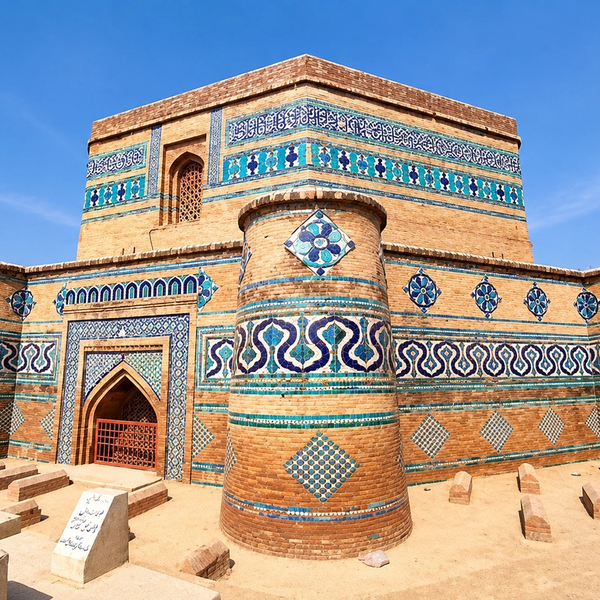
According to the official district history, the settlement was founded by Haji Khan and named after his son Ghazi Khan, who succeeded him. The date recorded on Ghazi Khan's tomb at Chirotta indicates that he died in 1494.
The early history of Dera Ghazi Khan is therefore closely connected with the Mirani rulers and the wider history of the Derajat. The word "Dera" is widely associated with the settlements established by tribal leaders in this part of the region, and Dera Ghazi Khan developed as one of the important settlements along the western side of the Indus.
━━━━━━━━━━━━━━━━━━
ANCIENT & MEDIEVAL HISTORY
━━━━━━━━━━━━━━━━━━
The wider Derajat region has experienced the rule and influence of several political powers over the centuries.
The official district history records conflicts involving the Miranis and Nahars during the fifteenth century. The independence of the local powers was later affected by the Mughal expansion under Babur in the sixteenth century.
The movement and settlement of Baloch tribes into the region also became an important part of its historical development. According to the district's official historical account, Baloch tribes migrated into the wider area through regions including Kech and Makran during the period associated with the Mughal era. Different tribes subsequently established themselves in the Sulaiman mountains and gradually expanded into the plains.
Among the tribal groups historically associated with the wider Dera Ghazi Khan region were the Mazaris, Gurchanis, Lunds, Legharis, Khosas and other Baloch communities.
Mirani influence continued for centuries. Around the beginning of the eighteenth century, the Kalhora family became increasingly prominent in the region. The political landscape subsequently changed under the influence of Nadir Shah, Ahmad Shah Durrani and other regional powers.
The region therefore developed through a long succession of local dynasties, tribal authorities and larger imperial or regional states.
━━━━━━━━━━━━━━━━━━
DERAJAT & AFGHAN RULE
━━━━━━━━━━━━━━━━━━
Dera Ghazi Khan formed part of the historical Derajat, the broader region associated with settlements along the western side of the Indus.
During the eighteenth century, the political authority of the region changed repeatedly. The district's official history records the influence of the Kalhoras and Durrani rulers and the appointment of governors connected with the Afghan administration.
The political instability of this period also allowed the Nawabs of Bahawalpur to expand their influence into parts of the Derajat. Different areas of the region therefore experienced overlapping forms of authority.
━━━━━━━━━━━━━━━━━━
SIKH PERIOD
━━━━━━━━━━━━━━━━━━
In 1819, Maharaja Ranjit Singh's forces took control of the Derajat, including Dera Ghazi Khan.
The administration of the district subsequently passed through several stages. The district was temporarily connected with the Bahawalpur State administration before coming under the authority of Sikh governors.
General Jean-Baptiste Ventura was appointed to administer the area after the arrangement with Bahawalpur ended. He was later succeeded by Diwan Sawan Mal, who governed the region until his death in 1844.
Sawan Mal was succeeded by his son, Mulraj. His later resistance to Sikh authority became connected with the wider political crisis that contributed to the Multan uprising.
━━━━━━━━━━━━━━━━━━
BRITISH PERIOD
━━━━━━━━━━━━━━━━━━
Following the expansion of British power in the region during the nineteenth century, Dera Ghazi Khan became part of the British administrative system.
The district was incorporated into the colonial administrative structure of Punjab. The western mountain areas were administered differently from the settled plains, and traditional tribal structures continued to play a role in the administration of the frontier communities.
The British developed administrative systems involving tribal chiefs, known locally as Tumandars, particularly in the mountainous areas.
The Tumandari system gave tribal chiefs considerable authority over their communities. Under the colonial system, Tumandars were given administrative and judicial responsibilities and were used by the British government as intermediaries in dealing with the tribes.
━━━━━━━━━━━━━━━━━━
TUMANDARI & TRIBAL HERITAGE
━━━━━━━━━━━━━━━━━━
The history of Dera Ghazi Khan cannot be understood without understanding the tribal societies of the Koh-e-Suleman region.
A Tuman traditionally represented a tribe, while its chief was known as a Tumandar. The system developed into an important form of tribal leadership in the western parts of the district.
During British rule, the system was formalized and incorporated into the colonial administration. Tribal chiefs were given responsibilities involving dispute settlement, administration and collection of dues.
After independence, the formal administrative powers associated with the Tumandari system were gradually removed. The official district history records that the Tumandari system was withdrawn in 1950, although tribal and social influence continued to remain important in the region.
The Koh-e-Suleman area also had a tradition of Jirga-based dispute resolution. Over time, these traditional mechanisms were replaced or restricted by formal state institutions and Pakistani law.
Today, tribal identity remains an important part of the social and cultural landscape of the mountain communities, although the region is governed through Pakistan's constitutional and administrative institutions.
━━━━━━━━━━━━━━━━━━
THE SARAiki CONNECTION
━━━━━━━━━━━━━━━━━━
Dera Ghazi Khan occupies an important position within the Saraiki cultural region.
Saraiki is widely spoken across the plains and urban communities of the district, while Balochi and other languages are also associated with different communities and parts of the mountainous region.
The district's cultural identity is therefore not defined by a single tradition. Saraiki language and literature coexist with Baloch tribal traditions, Islamic heritage, Sufi culture and the customs of different communities.
Dera Ghazi Khan has produced and nurtured numerous Saraiki poets, singers, writers, scholars and cultural figures.
The wider region is particularly associated with the poetry and spiritual heritage of Khwaja Ghulam Farid and with the musical traditions of southern Punjab. It has also produced modern writers, poets and folk singers who have contributed to the development and preservation of Saraiki literature and music.
━━━━━━━━━━━━━━━━━━
PEOPLE & COMMUNITIES
━━━━━━━━━━━━━━━━━━
The district is home to a diverse population.
The official district profile identifies Saraiki, Baloch and Muhajir communities among the major population groups and lists tribes and communities including Khosa, Leghari, Buzdar, Lund, Jatt, Bhambhan, Siddiqui, Sheikh, Ansari and Rana.
The plains and urban areas have developed a cultural environment in which agricultural communities, traders, professionals, students, government employees and traditional families interact with the tribal communities of the western mountains.
This diversity is reflected in language, dress, food, music, architecture and social traditions.
━━━━━━━━━━━━━━━━━━
LANGUAGE
━━━━━━━━━━━━━━━━━━
Saraiki is an important language of the district and is central to its cultural identity.
The language is used in everyday conversation, poetry, folk songs, storytelling and local cultural expression.
The Dera Ghazi Khan region is particularly significant within the southern Saraiki literary tradition. Its connection with poets, folk singers and Sufi literature has helped preserve a large body of oral and written cultural heritage.
Balochi is also important among communities in the Koh-e-Suleman region, while Urdu is widely used in education, administration, media and formal communication.
This multilingual environment is one of the defining characteristics of Dera Ghazi Khan.
━━━━━━━━━━━━━━━━━━
CULTURE & SOCIAL LIFE
━━━━━━━━━━━━━━━━━━
Traditional social life in Dera Ghazi Khan is closely connected with family, community, hospitality, religion and regional customs.
The official district profile describes the local social environment as strongly connected with traditional customs and Islamic cultural practices.
Hospitality is an important social value. Guests are traditionally welcomed with food, tea and generous attention, while weddings, religious gatherings and family events often bring extended families and communities together.
The culture of the district also reflects the meeting of Saraiki plains culture and Baloch mountain traditions.
━━━━━━━━━━━━━━━━━━
TRADITIONAL DRESS
━━━━━━━━━━━━━━━━━━
Shalwar kameez is one of the most common forms of traditional clothing in the region.
Men may wear traditional shalwar kameez with waistcoats, turbans or regional headwear, particularly during cultural and tribal gatherings.
Women commonly wear shalwar kameez with dupatta or other forms of traditional covering. Embroidery, colourful fabrics and decorative designs are also part of the region's traditional clothing culture.
Clothing varies according to community, geography, occasion and family tradition.
━━━━━━━━━━━━━━━━━━
FOOD
━━━━━━━━━━━━━━━━━━
The cuisine of Dera Ghazi Khan reflects the agricultural resources and culinary traditions of southern Punjab.
Wheat, rice, vegetables, dairy products and locally produced ingredients form an important part of everyday food.
Traditional meals are particularly important during weddings, religious occasions and family gatherings.
The wider Saraiki culinary tradition includes dishes prepared with meat, lentils, wheat, rice and seasonal vegetables, while the mountain communities have their own Baloch culinary influences.
Tea and traditional hospitality remain important parts of social gatherings.
━━━━━━━━━━━━━━━━━━
AGRICULTURE
━━━━━━━━━━━━━━━━━━
Agriculture is fundamental to the economy and landscape of Dera Ghazi Khan.
The Indus River and associated irrigation systems support extensive agricultural activity in the eastern and central parts of the district.
The district is known for crops including wheat, cotton, rice and vegetables, while orchards and other agricultural production are also important in suitable areas.
The official district agriculture information identifies riverine agriculture and fishing as significant features of the local environment.
Agriculture has shaped settlement patterns, livelihoods and local traditions for generations.
━━━━━━━━━━━━━━━━━━
INDUS RIVER
━━━━━━━━━━━━━━━━━━
The Indus is one of the most important geographical features of Dera Ghazi Khan.
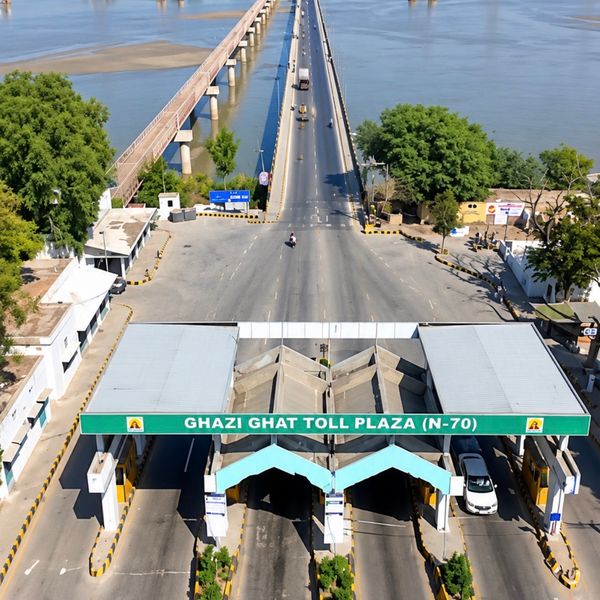
The river forms the eastern boundary of the district and has historically influenced agriculture, transportation, settlement and trade.
Its floodplains support fertile agricultural land, while the riverine environment provides habitats for fish and birds.
Fishing is practiced along the Indus, and the district's official agriculture profile notes the presence of fish farms and several fish species.
During winter, migratory birds can also be observed around parts of the riverine landscape.
━━━━━━━━━━━━━━━━━━
KOH-E-SULEMAN
━━━━━━━━━━━━━━━━━━
To the west of Dera Ghazi Khan rises the Koh-e-Suleman mountain range.
The mountains are among the defining natural features of the district and separate much of Dera Ghazi Khan from Balochistan.
The landscape contains valleys, mountain passes, streams and seasonal hill torrents.
The mountain environment supports communities whose traditions and social structures have developed differently from those of the Indus plains.
The Koh-e-Suleman also provides some of the region's most dramatic landscapes and is an important part of the natural heritage of Dera Ghazi Khan.
━━━━━━━━━━━━━━━━━━
FORT MUNRO
━━━━━━━━━━━━━━━━━━
Fort Munro is one of the best-known destinations in the Dera Ghazi Khan region.
Located in the Sulaiman Mountain range at approximately 6,470 feet above sea level, it provides a significantly cooler climate than the plains during the summer.
The district government states that Fort Munro was developed by Sir Robert Sandeman in 1869 and named after Captain Munro, the then Commissioner of the Derajat Division.
Its elevation, mountain scenery and relatively cool summer climate have made it an important hill-station destination in southern Punjab.
━━━━━━━━━━━━━━━━━━
SAKHI SARWAR
━━━━━━━━━━━━━━━━━━
Sakhi Sarwar is one of the most important religious and cultural sites associated with Dera Ghazi Khan.
The area is home to the shrine of Hazrat Syed Ahmed, popularly known as Sultan Sakhi Sarwar.
The shrine has attracted pilgrims for generations and represents an important part of the Sufi heritage of the region.
The annual traditions associated with the shrine bring together religious devotion, local culture and regional pilgrimage.
Sakhi Sarwar is also associated with the mountain landscape at the western edge of the district.
━━━━━━━━━━━━━━━━━━
TAUNSA SHARIF
━━━━━━━━━━━━━━━━━━
Taunsa Sharif is another important religious and cultural centre in the district.
It is associated with Hazrat Khawaja Shah Muhammad Suleman Taunsvi, popularly known as Peer Pathan.
The shrine and the wider town have an important place in the Sufi and religious history of southern Punjab.
Taunsa Sharif is also geographically significant because it sits near the transition between the Indus plains and the western mountain region.
━━━━━━━━━━━━━━━━━━
OTHER SHRINES
━━━━━━━━━━━━━━━━━━
Dera Ghazi Khan contains numerous shrines and religious sites reflecting the region's long Sufi tradition.
The district government identifies the shrine of Hazrat Ali Ahmad Qadri, known as Darbar-e-Qadria, in Dera Ghazi Khan city among the district's important shrines.
These religious sites form part of a wider network of Sufi places of devotion throughout southern Punjab.
━━━━━━━━━━━━━━━━━━
HANDICRAFTS
━━━━━━━━━━━━━━━━━━
Traditional craftsmanship remains part of the cultural heritage of Dera Ghazi Khan.
The district government identifies wooden crafts, date-leaf crafts and objects made from soil among local handicrafts.
Embroidery is also practiced, particularly in women's traditional clothing and decorative textiles.
These crafts reflect the relationship between local materials, rural livelihoods and cultural expression.
━━━━━━━━━━━━━━━━━━
MUSIC & FOLK TRADITIONS
━━━━━━━━━━━━━━━━━━
Music is deeply connected with the cultural life of Dera Ghazi Khan.
Saraiki folk music, Sufi poetry, kafis, ghazals and traditional songs have long formed part of the region's artistic heritage.
The poetry of Khwaja Ghulam Farid has had a particularly strong influence on the musical culture of southern Punjab. His poetry continues to be sung by folk and Sufi performers.
The region has also produced singers who have carried Saraiki folk music to audiences across Pakistan and abroad.
Traditional musical gatherings, wedding songs and Sufi performances remain important forms of cultural expression.
━━━━━━━━━━━━━━━━━━
FESTIVALS & EVENTS
━━━━━━━━━━━━━━━━━━
Baisakhi is identified by the district administration as a major local event and is traditionally associated with the beginning of wheat harvesting in April.
Religious festivals, urs celebrations at Sufi shrines, weddings and seasonal agricultural events also form an important part of the social calendar.
These gatherings provide opportunities for communities to maintain traditions, music, food and social relationships.
━━━━━━━━━━━━━━━━━━
SPORTS
━━━━━━━━━━━━━━━━━━
Cricket, football, badminton, hockey, volleyball, kabaddi and kushti are among the sports played in the district.
Traditional wrestling and kabaddi have particular connections with rural sporting culture, while cricket and football are widely popular among younger generations.
━━━━━━━━━━━━━━━━━━
NATURAL ENVIRONMENT
━━━━━━━━━━━━━━━━━━
Dera Ghazi Khan contains several distinct ecological environments, ranging from Indus riverine areas to agricultural plains and mountain terrain.
The district government lists Jand, Ber and Van among trees commonly found in the region.
Wildlife recorded in the district includes jackals, rabbits, foxes and wild cats, while riverine areas support birds and aquatic species.
The Indus also provides an important environment for fish and migratory birds, particularly during winter.
The mountain environment of Koh-e-Suleman provides another distinct ecological zone, with vegetation varying according to elevation and location.
━━━━━━━━━━━━━━━━━━
EDUCATION
━━━━━━━━━━━━━━━━━━
Dera Ghazi Khan has developed a growing network of educational institutions serving both urban and rural communities.
The district is home to Ghazi University, Ghazi Khan Medical College, University of Education Dera Ghazi Khan Campus, a regional campus of Allama Iqbal Open University and other educational institutions.
Schools, colleges and technical institutions operate across the district, providing education to communities ranging from the Indus plains to the mountain areas.
Education has also contributed to the emergence of writers, poets, academics, doctors, engineers, lawyers and other professionals from the region.
━━━━━━━━━━━━━━━━━━
ECONOMY & INDUSTRY
━━━━━━━━━━━━━━━━━━
Agriculture remains an important foundation of the district's economy, but Dera Ghazi Khan also has industrial and commercial activity.
The official district profile lists industries and facilities including cement production, power generation, tractor manufacturing, textile and spinning mills, cotton ginning and pressing, flour mills, rice mills, cold storage facilities and other agricultural processing activities.
The relationship between agriculture and industry is particularly important because cotton, wheat, rice and vegetables support both farming communities and processing industries.
Dera Ghazi Khan city also functions as a commercial and administrative centre for the surrounding region.
━━━━━━━━━━━━━━━━━━
TRANSPORT & CONNECTIVITY
━━━━━━━━━━━━━━━━━━
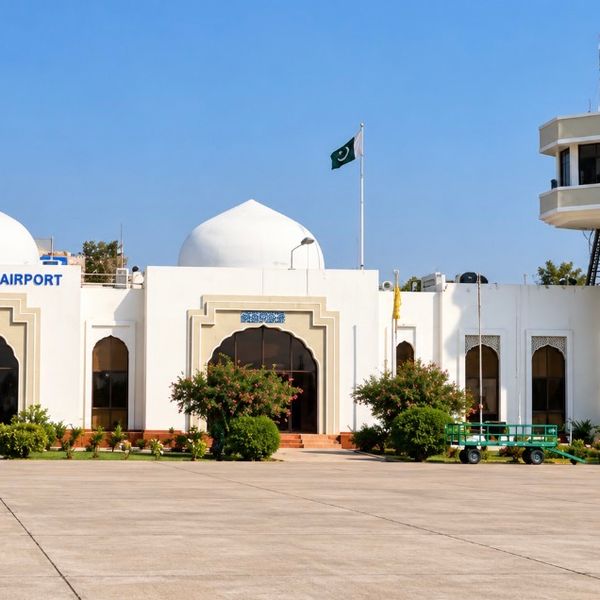
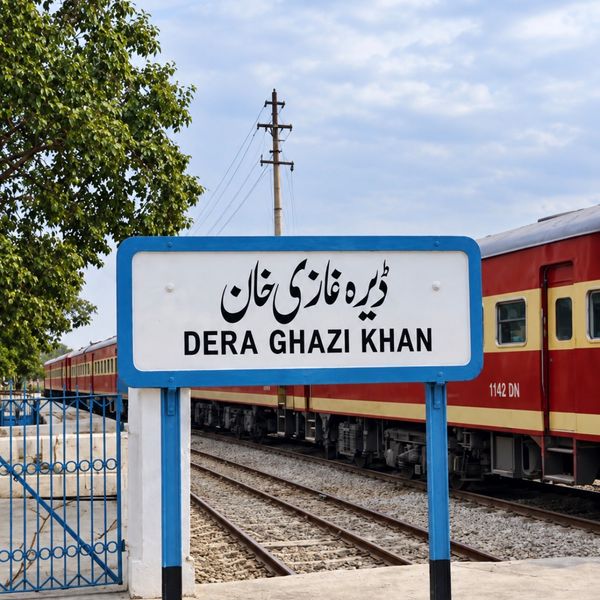
Dera Ghazi Khan occupies an important position connecting southern Punjab with the western mountain region and Balochistan.
Road networks connect the district with Multan, Muzaffargarh, Rajanpur, Dera Ismail Khan and other surrounding areas.
The roads leading toward Koh-e-Suleman and Fort Munro provide access to the mountainous parts of the district.
The district's location along the Indus corridor has historically contributed to its importance as a regional settlement and trading area.
━━━━━━━━━━━━━━━━━━
CITY & URBAN LIFE
━━━━━━━━━━━━━━━━━━
Dera Ghazi Khan city serves as the administrative and commercial centre of the district.
Modern urban life exists alongside older neighbourhoods, bazaars, religious sites and traditional family networks.
Markets provide clothing, agricultural goods, food, handicrafts and everyday products to communities from the city and surrounding rural areas.
The city has also developed educational, medical and professional institutions serving a much wider population.
━━━━━━━━━━━━━━━━━━
ARCHITECTURE & HERITAGE
━━━━━━━━━━━━━━━━━━
The architectural heritage of Dera Ghazi Khan includes shrines, traditional residences, historic settlements and structures associated with different periods of regional history.
The tomb of Ghazi Khan Mirani at Chirotta is particularly significant because it is directly connected with the figure after whom the city was named.
Religious architecture also forms an important part of the region's heritage, especially the shrines of Sultan Sakhi Sarwar, Peer Pathan and other Sufi figures.
━━━━━━━━━━━━━━━━━━
D.G. KHAN & THE WIDER SARAIKI REGION
━━━━━━━━━━━━━━━━━━
Dera Ghazi Khan is an important part of the wider Saraiki cultural landscape.
Its position between the Indus plains and the Koh-e-Suleman mountains gives it a distinctive cultural character.
The region connects several worlds: Saraiki-speaking agricultural communities in the plains, Baloch communities in the mountains, Sufi religious traditions, tribal histories, river-based livelihoods and modern urban life.
This combination makes Dera Ghazi Khan particularly important when documenting the cultural geography of Saraikistan.
━━━━━━━━━━━━━━━━━━
A LIVING HERITAGE
━━━━━━━━━━━━━━━━━━
The story of Dera Ghazi Khan is not limited to its rulers and historical events.
Its living heritage can be found in the Saraiki language spoken in homes and markets, the poetry recited at gatherings, the music performed at celebrations, the traditions preserved by families, the crafts made by local artisans, the agricultural life surrounding the Indus and the mountain communities of Koh-e-Suleman.
It can be seen in the shrines that continue to attract pilgrims, the bazaars of the city, the seasonal rhythms of farming, the hospitality offered to guests and the continued connection between communities and their ancestral landscapes.
Dera Ghazi Khan therefore represents a meeting point between history and living culture.
From the tomb of Ghazi Khan Mirani and the historic Derajat to the Indus River, from the Sufi heritage of Sakhi Sarwar and Taunsa Sharif to the mountains of Koh-e-Suleman and Fort Munro, the district contains a remarkable concentration of historical, cultural and natural heritage.
For Saraikistan, Dera Ghazi Khan is not simply a geographical location. It is one of the places where the region's languages, peoples, landscapes, traditions and memories come together.
Gallery
Photos