
Foreign Affairs
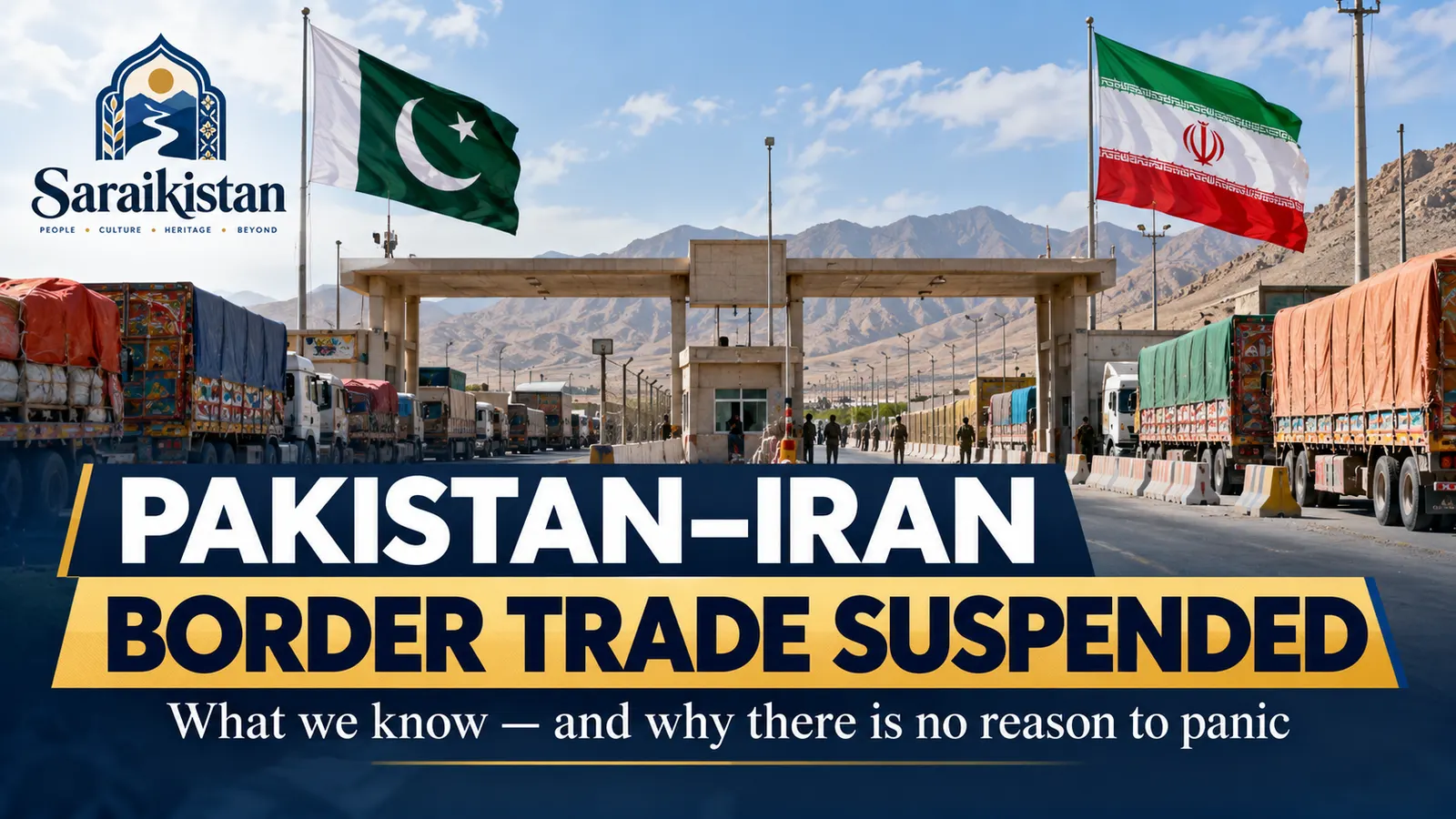
Pakistan–Iran Border Trade Suspended: What Happened and Should People Be Worried?
Pakistan–Iran Border Trade Suspended: What Happened and Should People Be Worried?
ISLAMABAD, October 19, 2026: The temporary suspension of commercial trade through two major Pakistan–Iran border crossings has raised questions and concerns on social media. However, the reported disruption should not automatically be interpreted as a sign of an impending military confrontation between the neighbouring countries.
What happened?
According to a report published by Dawn on October 18, Pakistan suspended commercial trade through the Gabd–Rimdan and Taftan border crossings with immediate effect following a Ministry of Commerce memorandum.
Shahid Rind, adviser to the Balochistan chief minister on media and political affairs, said the temporary measure was intended to address security concerns, prevent smuggling and improve border management.
He also urged the public to avoid unverified information circulating on social media and said officials from both countries were working to resolve administrative issues.
What is Iran’s position?
Iranian Foreign Ministry spokesperson Esmail Baqaei reportedly described the closure as temporary and attributed it to technical issues. He said consultations were underway to restore normal operations.
Reports also indicated that passenger traffic through the Gabd–Rimdan crossing remained operational, although commercial trade had been suspended.
Does this mean Pakistan and Iran are heading towards war?
There is no confirmed evidence in the cited reports that the trade suspension means Pakistan and Iran are preparing for a military confrontation.
The reported decision concerns commercial activity at specific border crossings. Although the wider regional situation remains sensitive, a temporary trade suspension alone is not sufficient evidence of an impending conflict.
The exact circumstances may become clearer as the relevant authorities release further information.
What could be the impact?
The suspension has disrupted commercial transport and reportedly left freight vehicles carrying liquefied petroleum gas (LPG), rice, fresh fruit and other commodities stranded on both sides of the border.
Traders have warned that a prolonged disruption could cause financial losses and affect supplies. However, the extent of any impact will depend on how long the suspension lasts and whether alternative arrangements are made.
What should the public do?
People are encouraged to follow announcements from official authorities and credible news organisations rather than relying on sensational social media posts.
Old videos, unverified claims and speculation about military action should not be shared as confirmed news.
Pakistan and Iran share a border, economic interests and longstanding regional ties. Resolving the current disruption through communication and coordination remains important for both countries.
Conclusion
The temporary suspension of trade through the Gabd–Rimdan and Taftan crossings is a significant development, particularly for traders and transporters. However, there is no justification for treating the closure itself as proof that war is imminent.
Saraikistan will continue to follow developments and update this report when reliable new information becomes available.
Sources
Dawn