
Poets
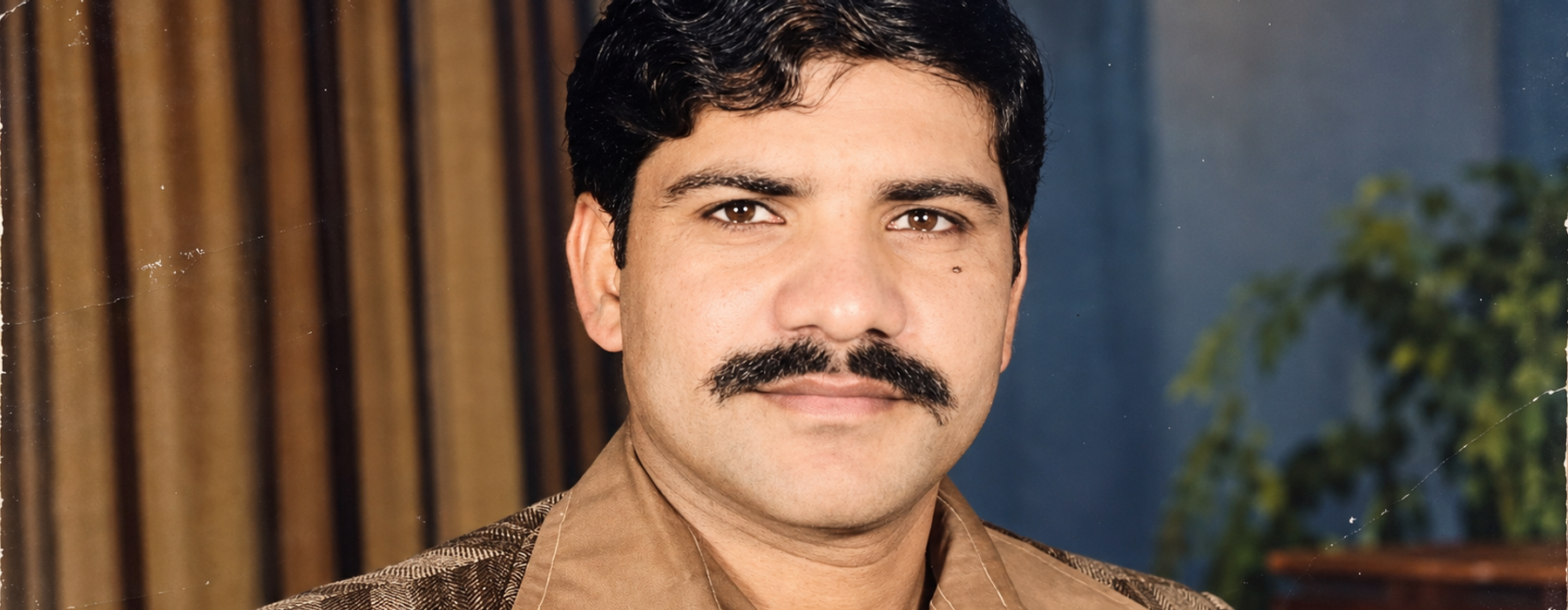
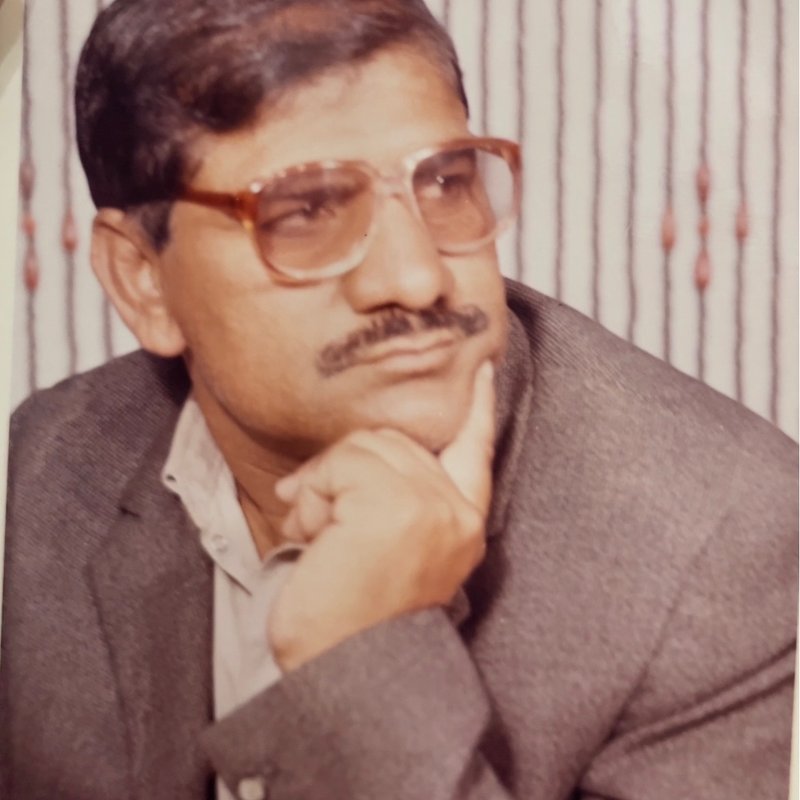
Muhammad Sadiq Hussain Thaheem
Biography
Muhammad Sadiq Hussain Thaheem
1954–2015 | Saraiki Poet, Author & Literary Figure
Muhammad Sadiq Hussain Thaheem was a distinguished Saraiki poet, ghazal writer, and literary figure from Dera Ghazi Khan, Pakistan, whose words continue to live through the literary and musical traditions of the Saraiki region.
Introduction
Muhammad Sadiq Hussain Thaheem (محمد صادق حسین تھہیم) was a respected Saraiki poet, ghazal writer, songwriter, and author belonging to the Thaheem community of Dera Ghazi Khan, Pakistan. He devoted his life to his profession, his love for the Saraiki language, and the literary and cultural traditions of the Saraiki-speaking region.
Known for his humility, gentle personality, and deep affection for his mother tongue, he earned a respected place among Saraiki poets and writers. Through his published poetry collections, ghazals, songs, and participation in literary organizations, he made a meaningful contribution to the literary and cultural heritage of Saraikistan.
His literary legacy continues through his published works and the musical performances of his son, renowned Saraiki folk singer Abdul Salam Sagar, who has brought his father’s poetry to audiences through the timeless tradition of Saraiki folk music.
Early Life and Family Background
Muhammad Sadiq Hussain Thaheem was born on 1 January 1954. He belonged to the Thaheem community and was associated with Dera Ghazi Khan, a historic centre of Saraiki language, literature, and culture.
He was the son of Muhammad Bakhsh Thaheem and Jindan Mai. His family roots and cultural surroundings played an important role in shaping his connection with the Saraiki language and the traditions of his homeland.
Beyond his literary accomplishments, he was admired for his calm temperament, kindness, and pleasant personality. People enjoyed meeting him because of his composed manner, humility, and courteous nature. He maintained warm relationships with friends, colleagues, fellow writers, and members of his community.
His life reflected a combination of professional responsibility, literary devotion, and personal integrity.
Professional Career at WAPDA
Alongside his literary pursuits, Muhammad Sadiq Hussain Thaheem served as a lineman at the Water and Power Development Authority (WAPDA) in Dera Ghazi Khan.
He carried out his professional responsibilities while maintaining a strong commitment to poetry and literature. His working life and creative pursuits existed side by side, reflecting his dedication to public service and cultural expression.
Although his profession was in the field of electricity and public utilities, his passion for Saraiki poetry remained an enduring part of his identity. Even while fulfilling his duties, he continued to compose poetry and contribute to the literary traditions of his region.
Literary Career and Love for Saraiki
Muhammad Sadiq Hussain Thaheem was a renowned poet in the Saraiki-speaking region. He composed numerous ghazals, songs, and other poetic works, expressing the emotions, traditions, and cultural experiences of the Saraiki people.
His love for the Saraiki language was particularly remarkable. He valued his mother tongue as an essential part of his cultural identity and devoted his creative abilities to its literary expression.
His poetry explored themes of love, longing, remembrance, human relationships, and the emotional experiences of everyday life. Through his writing, he contributed to the preservation and promotion of Saraiki as a language of literature, music, and cultural heritage.
His compositions connected the written tradition of Saraiki poetry with the region’s rich folk-music traditions, allowing his words to reach audiences both through printed poetry and musical performances.
Published Poetry Collections
Muhammad Sadiq Hussain Thaheem published three poetry collections that preserve his creative work and form the foundation of his literary legacy.
1. Bhaly (بھالے)
Bhaly is one of his published Saraiki poetry collections, preserving his literary expression and contribution to the Saraiki language. The collection forms an important part of his written poetic legacy.
2. Munjh (مونجھ)
Munjh is another collection of his poetry, documenting his creative work and reflecting his dedication to Saraiki literature and poetic expression.
3. Parkh (پرکھ)
Parkh was his final published book and holds particular significance in his literary journey. He dedicated this collection to his father, Muhammad Bakhsh Thaheem, as an expression of filial love, gratitude, and respect.
Together, these three publications preserve his poetry in written form and provide a foundation for future readers, researchers, and admirers of Saraiki literature.
Parkh — His Final Book and Dedication to His Father
Parkh (پرکھ), Muhammad Sadiq Hussain Thaheem’s final book, occupies a special place in his literary history.
He dedicated the book to his father, Muhammad Bakhsh Thaheem, honouring the bond between father and son through a heartfelt literary tribute.
The publication also acknowledged several distinguished personalities from the Saraiki literary and cultural community, including:
- Sain Muhammad Ismail Ahmadani
- Sain Professor Dilshad Kalanchvi
- Sain Dr. Tahir Taunsvi
- Sain Imdad Nizami
- Gul Bahar Bano (گل بہار بانو), the renowned Saraiki singer
His recognition of these personalities reflects his association with prominent figures in Saraiki literature and culture.
He had wished to send a copy of Parkh to Gul Bahar Bano but, unfortunately, was unable to fulfil that wish. This personal detail remains a poignant part of the history surrounding his final publication and reflects the connections he maintained with the Saraiki artistic community.
Literary Leadership — Bazm-e-Adab-o-Saqafat
Muhammad Sadiq Hussain Thaheem served as Vice President of Bazm-e-Adab-o-Saqafat, Dera Ghazi Khan, Pakistan.
His position within the organization reflected his involvement in the literary and cultural activities of his region and the respect he commanded among fellow poets and writers.
He was highly respected within the Saraiki literary community. His published works, literary associations, and participation in cultural activities established him as a recognized figure in the intellectual and cultural life of Dera Ghazi Khan.
Through his relationships with other poets and writers, he remained connected to the wider Saraiki literary tradition and contributed to the cultural life of his community.
Fareed Award — Recognition of His Literary Services
In recognition of his contribution to Saraiki poetry and literature, Muhammad Sadiq Hussain Thaheem received the Fareed Award, named in honour of Khawaja Ghulam Farid, the celebrated Saraiki Sufi poet.
The award was presented to him by the community of poets and writers in appreciation of his literary services and dedication to Saraiki language, poetry, and culture.
This honour represents an important milestone in his literary journey and documents the recognition he received from fellow literary figures.
The association of the award with Khawaja Ghulam Farid is especially meaningful in the Saraiki literary tradition, where the poetry and spiritual heritage of Khawaja Ghulam Farid hold a distinguished place.
The Fareed Award remains an important part of Muhammad Sadiq Hussain Thaheem’s literary record and his contribution to the cultural heritage of the Saraiki region.
Family and the Musical Legacy of Abdul Salam Sagar
One of the most enduring aspects of Muhammad Sadiq Hussain Thaheem’s legacy is his connection with his son, Abdul Salam Sagar, a renowned Saraiki folk singer.
Abdul Salam Sagar has carried his father’s poetry beyond the printed page, bringing his compositions to audiences through the rich tradition of Saraiki folk music.
Among his father’s most famous compositions is:
Zindagi guzardi pai hai tedi yaad de sahary.
This celebrated Saraiki composition, sung by Abdul Salam Sagar, is closely associated with the family’s literary and musical heritage.
Through his son’s singing, the poetry reached a wider audience and became part of the living tradition of Saraiki folk music. Abdul Salam Sagar has also sung numerous other compositions written by his father, preserving the poet’s words through musical interpretation.
The relationship between the poet and his singer son represents a meaningful continuation of literary and musical heritage across generations. The words of Muhammad Sadiq Hussain Thaheem continue to be heard through the voice of his son, preserving their emotional and cultural significance for Saraiki audiences.
Their shared legacy demonstrates how poetry and music can connect generations and keep the language and traditions of a region alive.
Legacy and Contribution to Saraiki Culture
Muhammad Sadiq Hussain Thaheem’s life represents the contribution of a dedicated regional poet whose work was deeply rooted in his language, community, and cultural identity.
His literary and cultural legacy includes:
- Three published poetry collections: Bhaly, Munjh, and Parkh.
- Numerous Saraiki ghazals, songs, and poetic compositions.
- Recognition through the Fareed Award for his literary services.
- Service as Vice President of Bazm-e-Adab-o-Saqafat, Dera Ghazi Khan.
- Respect and appreciation among Saraiki poets, writers, and cultural figures.
- A continuing musical legacy through his son, Abdul Salam Sagar.
- A lasting example of kindness, humility, and devotion to his mother tongue.
He passed away on 13 March 2015, in Dera Ghazi Khan, leaving behind a body of literary work and a legacy cherished by his family, literary associates, and admirers of Saraiki poetry.
Although he is no longer physically present among his family and community, his poetry, published books, and the memories of those who knew him continue to preserve his name.
Muhammad Sadiq Hussain Thaheem will be remembered as a devoted Saraiki poet, a respected literary figure, and a loving father whose words continue to live through the musical heritage of his son and the cultural traditions of the Saraiki people.
His life and work remain a meaningful part of the literary history of Dera Ghazi Khan and the wider Saraiki-speaking region, ensuring that his contribution to Saraiki language, poetry, and culture continues to be remembered by future generations.
Gallery